
Intelligent Air & Climate Solutions
Intelligent Air & Climate Solutions
Digital infrastructure and environments operating 24/7 require a thermal management approach focused on availability, monitoring and maintenance. AIRQIA links HVAC engineering to the operational context.
Redundant (N+1) cooling designed for continuous 24/7 operation in critical environments.
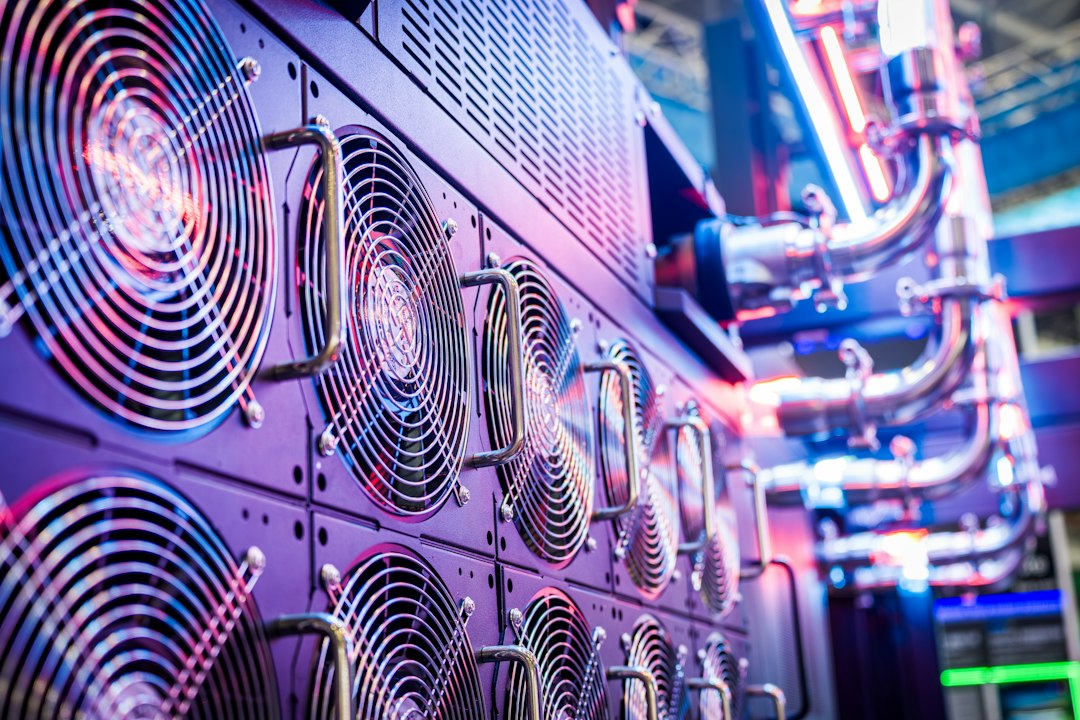
The thermal load, air distribution, the required redundancy and points of failure must be considered together. The equipment is only part of the solution.
Sensors and monitoring systems should show what is happening with the equipment and help to identify deviations. Metrics and alarms must be aligned with operational priorities.
The design must allow for maintenance and future changes in density without compromising readability. AIRQIA supports the definition of requirements prior to the final specification.
Explore the solution and find out how it applies to your project.
Explore the solution and find out how it applies to your project.
Critical cooling serves spaces where a cooling failure has serious consequences, such as technical rooms, data centres and laboratories. In these environments the goal is not just a comfortable temperature but keeping equipment within its intended limits, even when a component fails or is under maintenance. Availability is therefore a design requirement from the very start. Every decision begins with the consequences of an interruption.
Redundancy is a central concept. An N+1 configuration provides one additional unit to cover the failure or shutdown of another, but equipment redundancy does not solve everything if air circulates poorly or if single points of failure exist in the power or water supply. The analysis should therefore cover the whole system, not just the machines. Resilience comes from the design as a whole.
A sound critical cooling study begins with the current and expected thermal load, the layout of the equipment and the airflow paths. It also matters to define what happens in a failure scenario and how long the space can tolerate it. In high-density facilities, such as those described in cooling for data centres and AI, these decisions shape the entire thermal architecture. A realistic view of growth avoids undersized systems.
After installation, critical cooling needs continuous measurement and review. Well-placed sensors and useful alarms help detect deviations before they become incidents. For background on efficiency in digital infrastructure, see the US Department of Energy information on data centres, and contact the AIRQIA team to look at your case. Every project needs its own assessment of risk and tolerance.
Tell us about the background, the objectives and the deadline. The AIRQIA team will help you determine the most appropriate technical approach.

Utilizamos cookies necessários para o funcionamento do site. Com a sua escolha, podemos também usar cookies opcionais para compreender a utilização e melhorar a experiência. Pode aceitar, rejeitar ou personalizar as preferências.
Escolha as categorias opcionais. Pode alterar esta decisão a qualquer momento.
Permitem o funcionamento básico, a segurança e a memorização das preferências de cookies.
Permitem recordar dados de identificação quando deixa um comentário, se esta funcionalidade for utilizada.
Ajudam a compreender a utilização do website e a melhorar conteúdos e navegação, quando autoriza esta categoria.
Mede a utilização do website para ajudar a melhorar conteúdos e navegação. A recolha de dados de análise depende das suas preferências de cookies.
Serviço: policies.google.com (opens in a new window)
Consulte a nossa Política de Cookies e a Privacy Policy.