
Intelligent Air & Climate Solutions
Intelligent Air & Climate Solutions
Spaces with varying occupancy levels and operating hours require consistent comfort and controllable operation. AIRQIA integrates thermal control with business requirements.
A typical example: a medium-sized hotel with zone-based air conditioning, a central hot water system for peak times and acoustic comfort in the guest rooms.
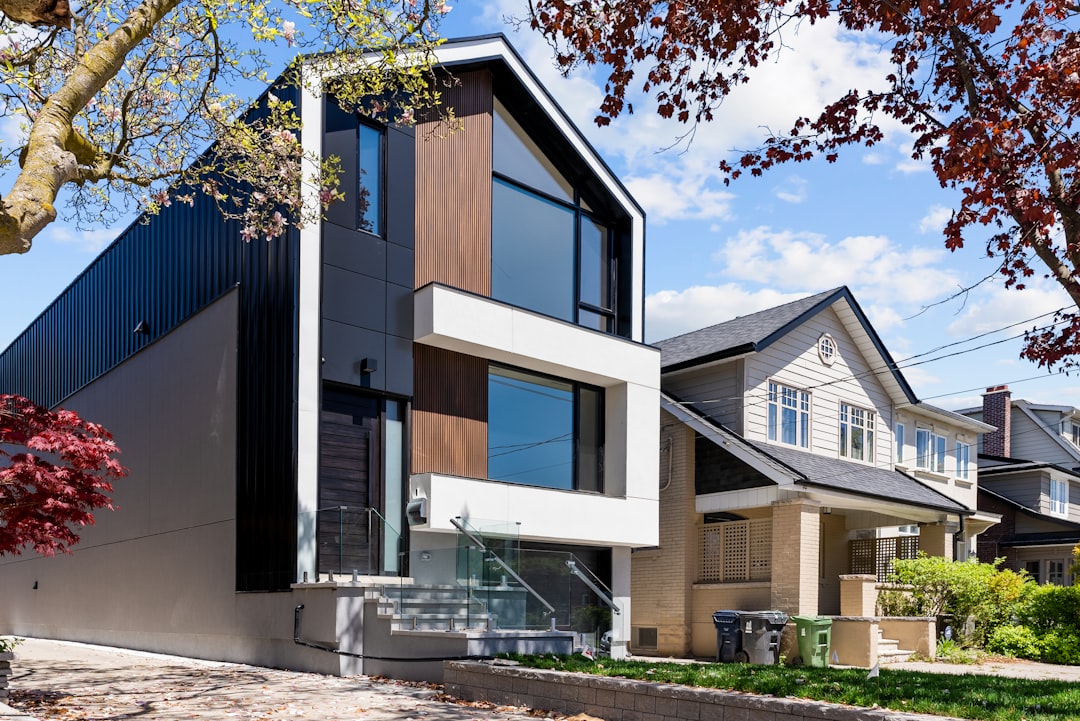
Whether in a hotel, an office or a retail premises, we start by mapping out the different areas, peak usage times and specific requirements for air and hot water.
We compare different options for climate control and management, taking into account the building’s architecture, the operations team and energy targets.
Documentary support and acceptance criteria help to ensure that the project’s original intent is maintained throughout the construction phase.
Commercial and hospitality projects have one thing in common: occupancy changes through the day and through the week. An office, a shop or a hotel does not need the same comfort in every zone, or at the same time. That is why the study begins by mapping zones, schedules and peak usage, before comparing air conditioning and ventilation options. This early analysis avoids decisions driven only by the budget.
In hotels and restaurants, hot water at peak times and acoustic comfort in the rooms matter as much as temperature. In retail and offices, fresh air supply, internal heat gains and ease of maintenance count. A good solution balances these demands against the budget and against the team that will operate the system. Guests and customers quickly notice any lapse in comfort, so reliability matters.
Not every zone runs at the same time, and sizing for the worst case across the whole building leads to oversizing. Simultaneity analysis and zone control help match capacity to real use. In larger premises, look at the VRF and commercial HVAC solution, which manages several zones within a single system. This reading avoids underused equipment and unnecessary running costs.
In commercial and hospitality projects, acceptance criteria, commissioning and after-delivery support preserve the design intent once the works are finished. To go deeper on building ventilation, see REHVA. You can also read about the hospitality and wellness sector or contact us through the contact page. Each case is analysed individually, and the technical study comes before the proposal.
Tell us about the background, the objectives and the deadline. The AIRQIA team will help you determine the most appropriate technical approach.

Utilizamos cookies necessários para o funcionamento do site. Com a sua escolha, podemos também usar cookies opcionais para compreender a utilização e melhorar a experiência. Pode aceitar, rejeitar ou personalizar as preferências.
Escolha as categorias opcionais. Pode alterar esta decisão a qualquer momento.
Permitem o funcionamento básico, a segurança e a memorização das preferências de cookies.
Permitem recordar dados de identificação quando deixa um comentário, se esta funcionalidade for utilizada.
Ajudam a compreender a utilização do website e a melhorar conteúdos e navegação, quando autoriza esta categoria.
Mede a utilização do website para ajudar a melhorar conteúdos e navegação. A recolha de dados de análise depende das suas preferências de cookies.
Serviço: policies.google.com (opens in a new window)
Consulte a nossa Política de Cookies e a Privacy Policy.