
Intelligent Air & Climate Solutions
Intelligent Air & Climate Solutions
In digital infrastructure, the key question is what happens when the load changes or a component fails. AIRQIA structures its thermal analysis around actual operation.
A typical example: a data centre with N+1 redundancy, thermal management by rack zone and 24/7 operational monitoring.
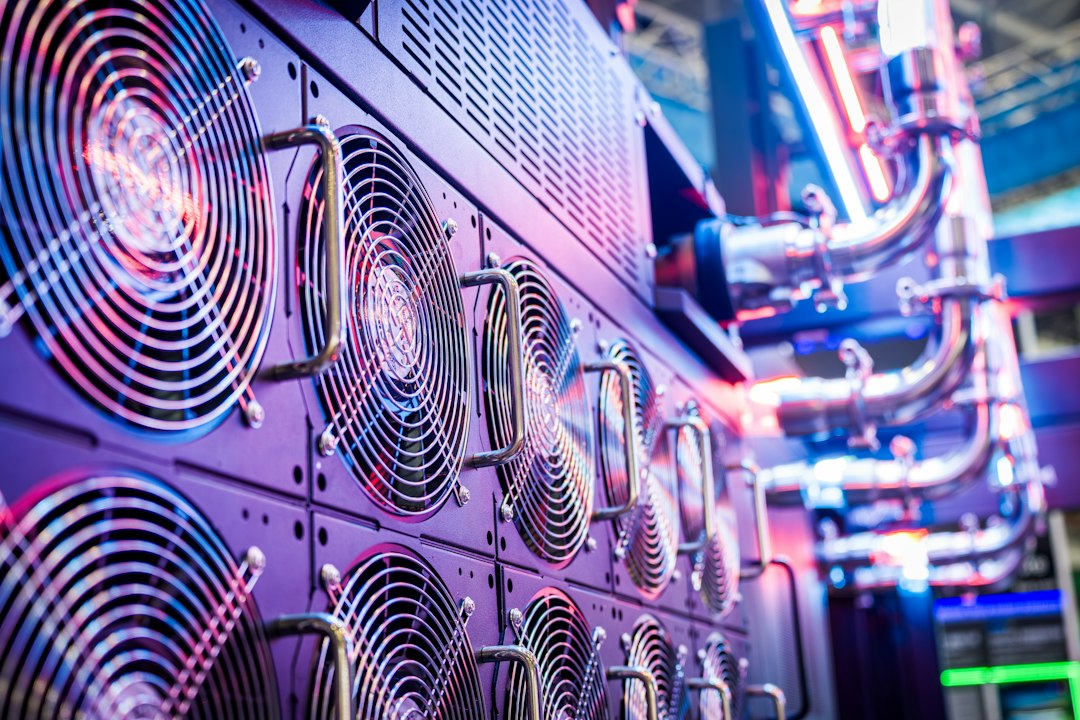
We map out density, equipment distribution, required availability and expansion potential before defining capacities.
Air management, sensors and response logic are specified as a single package, rather than as after-the-fact additions.
The project includes testing, documentation and maintenance to ensure that the solution can be monitored over time.
Explore the solution and find out how it applies to your project.
Explore the solution and find out how it applies to your project.
In digital infrastructure projects, the central question is what happens when load rises or when a component fails. Cooling should be designed around real operation: equipment density, layout across the halls, required availability and room for expansion. Only with this data can you set capacities and redundancy criteria that make sense for the business. This analysis should come before any choice of equipment.
Thermal load is not uniform. Some rack zones are denser, and hot spots depend on airflow and on how equipment is arranged. The trend towards higher AI loads makes this mapping even more important and means planning for future growth, rather than only today’s need. A rigorous reading avoids blind oversizing and reduces the risk of running short as load grows.
Air management, sensors and response logic should be specified together, not bolted on at the end. Continuous monitoring, alarms and escalation make it possible to react before a fault affects the service. Explore the subject further in the solution on cooling for data centres and AI. Response to failure should be tested, not merely assumed on paper. Each element should have a clear owner and a defined test.
Acceptance tests, documentation and maintenance plans make it possible to verify the solution over time. In digital infrastructure projects, periodic capacity reviews avoid surprises as usage grows. On efficiency, see the European Commission’s green cloud policy, and read AI and Data Centres: what’s changing in cooling. Each case is analysed individually, and the technical study comes before the proposal.
Tell us about the background, the objectives and the deadline. The AIRQIA team will help you determine the most appropriate technical approach.

Utilizamos cookies necessários para o funcionamento do site. Com a sua escolha, podemos também usar cookies opcionais para compreender a utilização e melhorar a experiência. Pode aceitar, rejeitar ou personalizar as preferências.
Escolha as categorias opcionais. Pode alterar esta decisão a qualquer momento.
Permitem o funcionamento básico, a segurança e a memorização das preferências de cookies.
Permitem recordar dados de identificação quando deixa um comentário, se esta funcionalidade for utilizada.
Ajudam a compreender a utilização do website e a melhorar conteúdos e navegação, quando autoriza esta categoria.
Mede a utilização do website para ajudar a melhorar conteúdos e navegação. A recolha de dados de análise depende das suas preferências de cookies.
Serviço: policies.google.com (opens in a new window)
Consulte a nossa Política de Cookies e a Privacy Policy.