
Intelligent Air & Climate Solutions
Intelligent Air & Climate Solutions
As computing density increases, heat management becomes just as important as cooling capacity. An effective design coordinates IT infrastructure, air flow, control and business continuity.
High-density racks and AI workloads require redundant cooling, not just air conditioning.
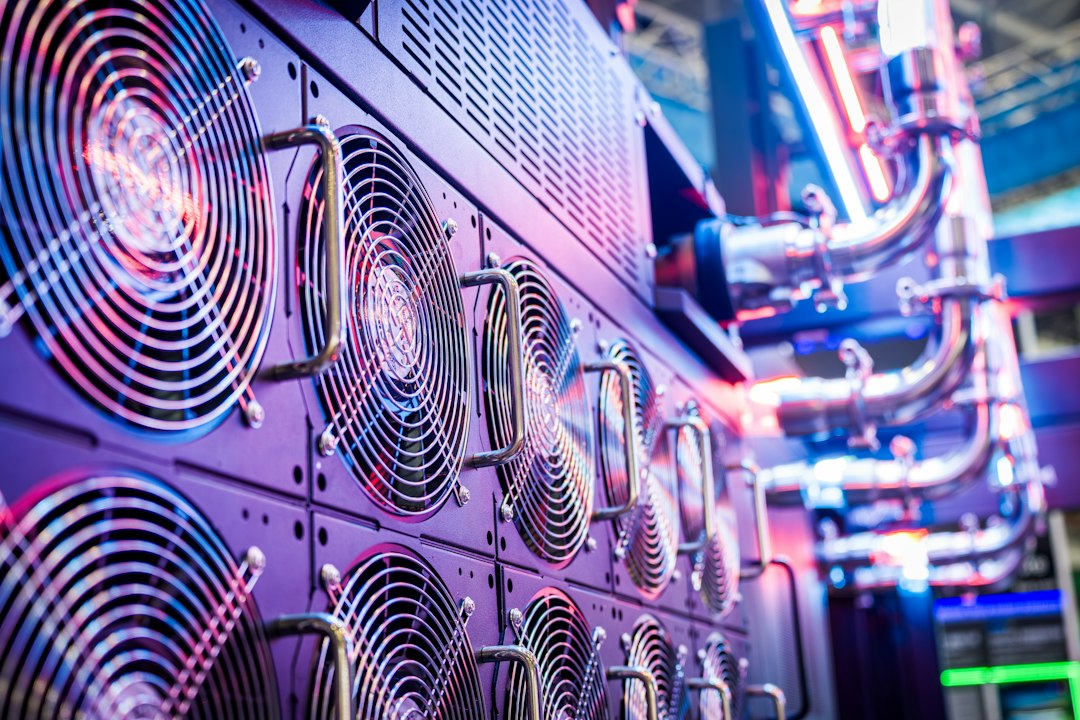
The installed power, the actual load, the distribution per rack and the expected development guide the thermal architecture. The design must distinguish between normal operation and fault scenarios.
Separating airflows, managing air pathways and monitoring the temperatures of air entering the equipment help to reduce recirculation and hot spots. The choices depend on the layout of the space.
It must be possible to test redundancy, alarms and maintenance. AIRQIA works with technical teams to define acceptance and operational criteria.
Explore the solution and find out how it applies to your project.
Cooling for data centres is changing as computing density rises. Racks that once dissipated modest heat now concentrate far higher loads, especially with artificial intelligence workloads, and traditional air cooling does not always keep up. Understanding how heat is generated, moves and is removed is the starting point for any upgrade or new build. Whether the site is new or existing, the thermal strategy should be defined alongside the IT plan, not after it.
Installed power rarely matches real load, and real load is rarely uniform. The thermal architecture should therefore distinguish normal operation from failure scenarios, allow for higher-density zones and accept phased growth. Deciding early whether the solution will be air-based, liquid-based or a combination avoids limitations that are hard to correct later. Early decisions on layout and capacity are far cheaper than later corrections.
Even with enough capacity, hot spots appear when cold and hot air mix. Aisle separation, containment and reading the temperature at equipment inlets help reduce recirculation. These measures belong to critical cooling and always depend on the design of the room, the rack layout and the way air is distributed. In practice, small gaps in blanking panels or cable openings can undo much of the benefit of a well-designed aisle.
A good approach to cooling for data centres balances continuity, efficiency and room to grow. For the wider context, read AI and data centres: what is changing in cooling and visit our data centres and AI sector page. On European policy for more sustainable computing, see the European Commission Green Cloud initiative. Every site needs its own study.
Tell us about the background, the objectives and the deadline. The AIRQIA team will help you determine the most appropriate technical approach.

Utilizamos cookies necessários para o funcionamento do site. Com a sua escolha, podemos também usar cookies opcionais para compreender a utilização e melhorar a experiência. Pode aceitar, rejeitar ou personalizar as preferências.
Escolha as categorias opcionais. Pode alterar esta decisão a qualquer momento.
Permitem o funcionamento básico, a segurança e a memorização das preferências de cookies.
Permitem recordar dados de identificação quando deixa um comentário, se esta funcionalidade for utilizada.
Ajudam a compreender a utilização do website e a melhorar conteúdos e navegação, quando autoriza esta categoria.
Mede a utilização do website para ajudar a melhorar conteúdos e navegação. A recolha de dados de análise depende das suas preferências de cookies.
Serviço: policies.google.com (opens in a new window)
Consulte a nossa Política de Cookies e a Privacy Policy.