
Intelligent Air & Climate Solutions
Intelligent Air & Climate Solutions
When space heating and domestic hot water share the same system, the design must strike a balance between comfort, tank recovery and consumption at different times of the day.
Heating and domestic hot water share the same heat pump, but have different priorities: it must be sized to cope with peak demand without compromising comfort during the rest of the day.
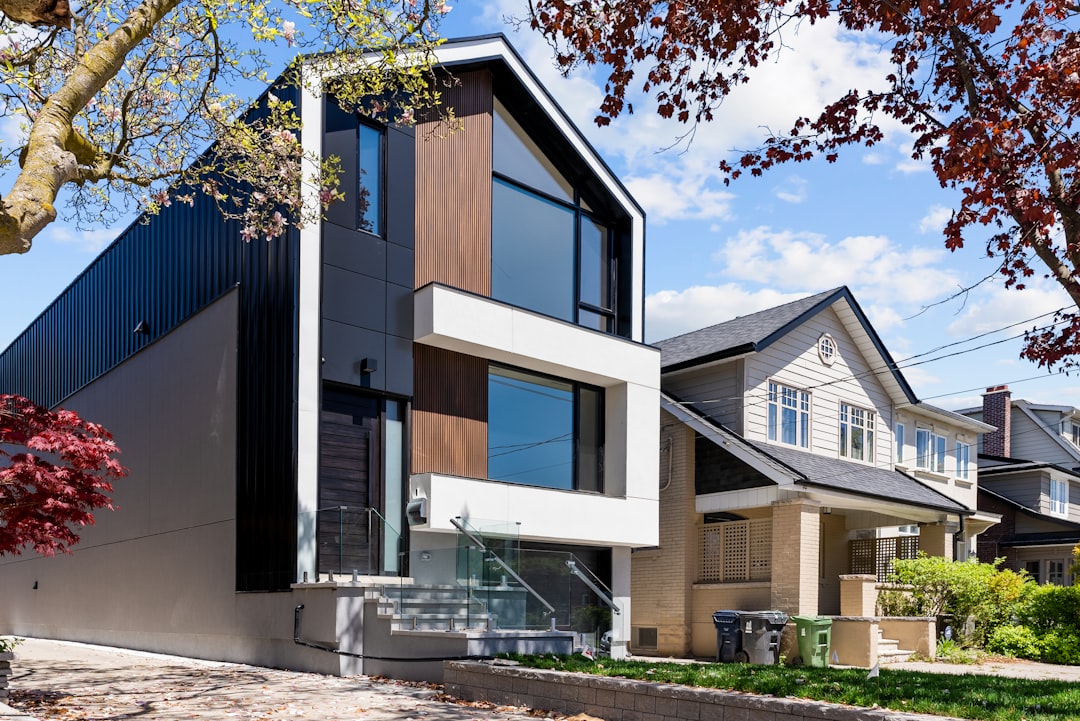
The space heating load is not the same as the hot water demand. The study takes into account occupancy, peak usage, storage volume and the desired temperature.
Underfloor heating, fan coil units and radiators operate at different operating conditions. The temperature required by the heat emitters affects the performance and selection of the heat pump.
The installation must allow for maintenance, monitoring of key parameters and seasonal adjustment. Proper operation ensures comfort throughout the system’s service life.
Combining heating and domestic hot water in a single heat pump is attractive, but the two loads have very different profiles. Space heating depends on the season and the building; hot water depends on people and habits, with peaks in the morning and evening. Sizing the system on the sum of both maximum demands leads to expensive, underused equipment. This is why the two needs should be assessed separately.
Tank recovery time, how many showers run at once and the storage temperature all influence the volume required. A small tank has to reheat often, while a large tank adds losses and takes up space. In homes with few occupants the margin can be smaller; in hotels, gyms or changing rooms, concentrated peaks call for a more careful analysis. Peak periods, such as evenings or after sports sessions, deserve particular attention.
On long pipe runs, recirculation keeps hot water available sooner, but it adds losses if it is not well insulated and controlled. The storage temperature should also follow good hygiene practice, avoiding conditions that encourage bacterial growth. These decisions are tied to the heat pump design, so it is worth reading them together with the page on heat pumps.
In hospitality and other intensive uses, heating and domestic hot water should be studied against real occupancy timetables. To place energy efficiency in context, the European Commission gathers information on efficient buildings. See also the hospitality and wellness sector or talk to the AIRQIA team to review your specific case.
Tell us about the background, the objectives and the deadline. The AIRQIA team will help you determine the most appropriate technical approach.

Utilizamos cookies necessários para o funcionamento do site. Com a sua escolha, podemos também usar cookies opcionais para compreender a utilização e melhorar a experiência. Pode aceitar, rejeitar ou personalizar as preferências.
Escolha as categorias opcionais. Pode alterar esta decisão a qualquer momento.
Permitem o funcionamento básico, a segurança e a memorização das preferências de cookies.
Permitem recordar dados de identificação quando deixa um comentário, se esta funcionalidade for utilizada.
Ajudam a compreender a utilização do website e a melhorar conteúdos e navegação, quando autoriza esta categoria.
Mede a utilização do website para ajudar a melhorar conteúdos e navegação. A recolha de dados de análise depende das suas preferências de cookies.
Serviço: policies.google.com (opens in a new window)
Consulte a nossa Política de Cookies e a Privacy Policy.