Intelligent Air & Climate Solutions
Intelligent Air & Climate Solutions
Computing infrastructure relies on stable thermal conditions. AIRQIA supports the design of cooling systems for mission-critical operations, with a focus on density, redundancy and visibility.
High-density racks and AI workloads require redundant cooling, not just air conditioning.
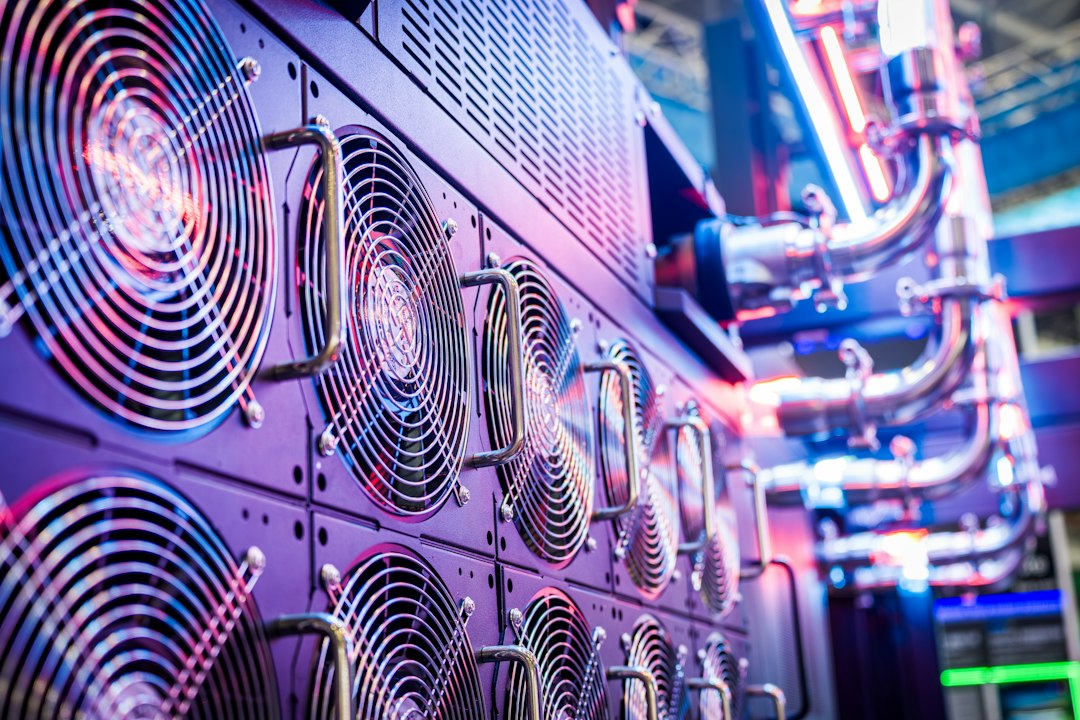
Thermal design must take into account the path of the air to the equipment and the uneven distribution of the load. Total power alone does not account for the critical points.
Redundancy criteria and alarm response procedures must be defined in consultation with the operations team. Planned maintenance is part of availability.
New equipment can rapidly change the density. A phased approach allows capacity and control to be reviewed as the infrastructure evolves.
Explore the solution and find out how it applies to your project.
Air conditioning for data centres has a different purpose from comfort cooling: it keeps equipment within stable thermal conditions so that the digital service does not stop. With AI workloads and high-density racks, heat management is no longer a side issue and now shapes the capacity, expansion and reliability of the whole infrastructure. The result is a design question as much as an equipment one.
The total power of the room, on its own, does not describe the critical points. What matters is how the load is distributed, what temperature the air reaches at the equipment inlet and how airflow moves between aisles, racks and cooling units. These answers determine the thermal architecture and help to anticipate hot spots before they become operational problems. It also shows where redundancy is really needed.
Operational continuity depends on clear criteria: what happens if a unit fails, how alarms are handled and how maintenance is done without unduly interrupting service. These scenarios are defined together with the operations team. For a wider view, see the critical cooling solution, which frames refrigeration for mission-critical operations. Clear documentation helps operators react quickly when conditions change.
In air conditioning for data centres, new generations of equipment can change density quickly, so it is wise to plan expansion in phases. Reviewing capacity at each phase keeps cooling aligned with the hardware actually installed. Read the article AI and Data Centres: what’s changing in cooling and see cooling for data centres and AI. For a European perspective, see the European Commission Green Cloud initiative.
Tell us about the background, the objectives and the deadline. The AIRQIA team will help you determine the most appropriate technical approach.

Utilizamos cookies necessários para o funcionamento do site. Com a sua escolha, podemos também usar cookies opcionais para compreender a utilização e melhorar a experiência. Pode aceitar, rejeitar ou personalizar as preferências.
Escolha as categorias opcionais. Pode alterar esta decisão a qualquer momento.
Permitem o funcionamento básico, a segurança e a memorização das preferências de cookies.
Permitem recordar dados de identificação quando deixa um comentário, se esta funcionalidade for utilizada.
Ajudam a compreender a utilização do website e a melhorar conteúdos e navegação, quando autoriza esta categoria.
Mede a utilização do website para ajudar a melhorar conteúdos e navegação. A recolha de dados de análise depende das suas preferências de cookies.
Serviço: policies.google.com (opens in a new window)
Consulte a nossa Política de Cookies e a Privacy Policy.