
Higher density requires greater thermal intelligence.
The expansion of high-performance computing concentrates heat and alters the distribution of loads. In data centres, the design of the cooling system must be based on the IT equipment and the required level of business continuity.
Information to help you make clear decisions.
In this guide, we have set out the key questions and evaluation criteria to help you make an informed decision and have a more objective technical discussion.
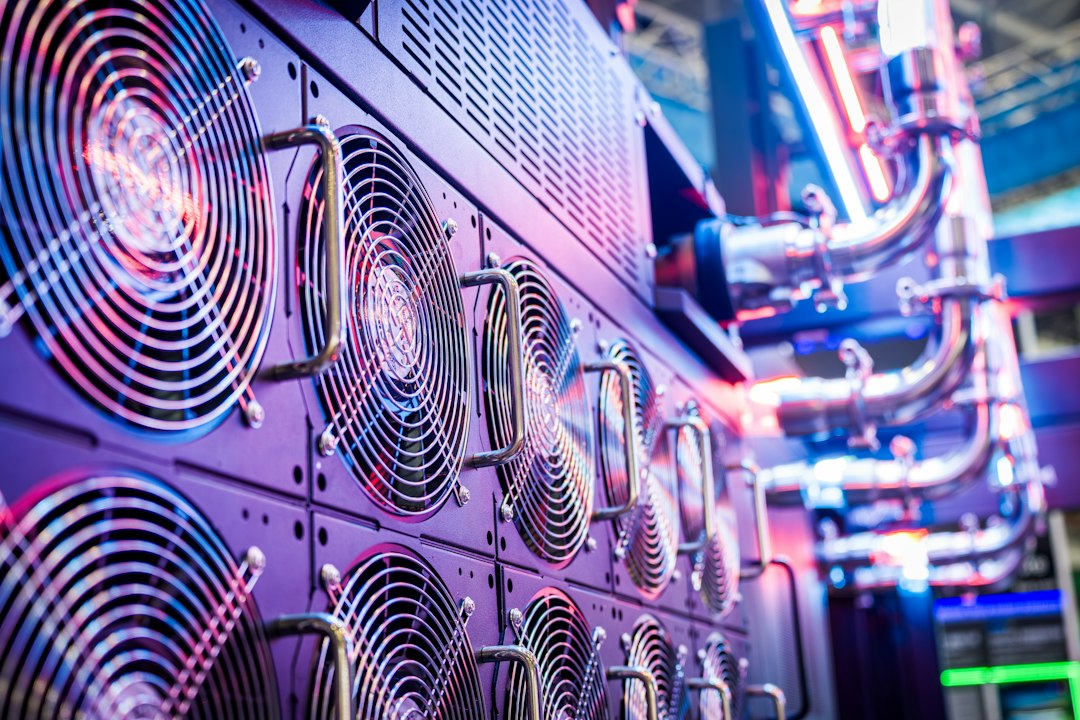
See the loading in action
The total power capacity of the room does not reveal the distribution per rack. Areas of higher density can create hotspots even when the installed capacity appears to be sufficient.
- Map density by zone
- Consider expansion
- Measuring inlet temperatures
Managing the airflow path
Separation of cold and hot air, reduced recirculation and airflow control help to deliver air where it is needed. The solution depends on the physical layout and the requirements of the equipment.
- Inflow and outflow
- Restraint where appropriate
- Avoid areas where the text is illegible
Designing for faults and maintenance
Continuity is not just about installing extra capacity. It is about defining what happens when a component fails, how the alarm is relayed to the team and how to intervene without compromising operations.
- Appropriate redundancy
- Actionable alerts
- Access for maintenance
Measuring efficiency without losing sight of the objective
Power and availability must be monitored together. Control adjustments only make sense when they comply with the environmental conditions required by the IT equipment.
- Energy metrics
- Conditions at the equipment inlet
- Regular inspections
Carry on exploring.
Explore the solution and find out how it applies to your project.
To find out more.
Technical and institutional sources consulted during the preparation of this guide.
AI and data centres: a practical cooling checklist
When AI and data centres come together, reviewing the cooling should begin with simple questions rather than equipment choices. What rack density is expected in future? What level of continuity does the operation require? Who responds to an alarm outside working hours? The answers shape the design far more than the total installed capacity does.
A common mistake is to treat cooling as an isolated problem, when it depends on available power, floor space and how growth is phased. It is also worth testing failure scenarios with the operations team, so that procedures are proven in practice and not only on paper. In a data centre, up-to-date documentation is as valuable as the equipment itself. Planning these steps early also makes it easier to scale AI and data centres without redesigning the room later.
- Record inlet temperatures by zone and compare them with the equipment requirements
- Document the expansion plan and the limits of each phase
- Test alarms, failure procedures and maintenance access with the team
To go further, read about our cooling for data centres and AI or speak to the team through the Contacts page. For a European view on more sustainable digital infrastructure, see the European Commission green cloud policy.
Shall we design the next solution together?
Tell us about the background, the objectives and the deadline. The AIRQIA team will help you determine the most appropriate technical approach.